Walk into any busy clinic on a weekday around 3 p.m. and you will see the same story play out. A professional who slept fine but hit a wall after lunch. A parent who runs on coffee and momentum until it stops working. A runner who recovers slower than last season, even though training hasn’t changed. Fatigue rarely has a single cause. Hydration, micronutrients, sleep quality, inflammation, stress hormones, and illness all pull on the same rope. Intravenous therapy, delivered thoughtfully, can target a few of those threads at once. It is not a magic switch, and it should never be the first and only plan, yet when used with clinical judgment it can turn an afternoon slump into a solid second wind.
This is how fatigue IV therapy fits into a broader approach to energy, what it can and cannot do, and how to decide if an infusion belongs in your toolkit.
What “fatigue IV therapy” really means
The term covers a family of therapeutic iv infusions used for people who feel tired, foggy, or under-recovered. The backbone is simple: sterile iv fluids therapy, often a balanced saline iv drip, plus a selection of vitamins, minerals, and antioxidants delivered directly into the bloodstream. Because intravenous therapy bypasses the gut, absorption is complete, and peak levels are achieved quickly. Most clinics build infusions from the same palette, then personalize dosing based on goals, health history, and labs.
Common components of an energy-focused iv treatment include a liter of isotonic fluid for hydration iv therapy, B complex iv therapy for cellular energy pathways, magnesium iv therapy for muscle and nerve function, and vitamin C in moderate doses. Some formulas add zinc iv therapy, carnitine, or amino acids. For people prone to oxidative stress from training or illness, antioxidant iv therapy, especially glutathione iv therapy, is a frequent adjunct given as a slow push after the bag.
The classic example is a Myers cocktail iv. In its most recognized form, it includes B vitamins, vitamin C, magnesium, and calcium delivered as an iv vitamin infusion. Studies vary and are often small, but in practice many patients report smoother energy and improved sleep within 24 hours. The key is not the brand name, it is the match between ingredients and the person’s physiology.
The physiology behind the perk
Fatigue has causes that stack. One layer is simple dehydration. Even a 1 to 2 percent drop in body water can decrease alertness and increase perceived effort, which is why iv hydration therapy or an iv rehydration therapy session can sometimes feel like someone turned the lights back on. Another layer is micronutrient availability. B vitamins act as coenzymes in mitochondrial energy production. Magnesium is involved in ATP synthesis and muscle relaxation. Vitamin C supports adrenal function and helps recycle other antioxidants. When oral intake falls short, gut absorption is compromised, or demands spike, an iv nutrient therapy can bridge the gap.
A third layer is inflammatory load. Hard training, illness, travel, alcohol, and chronic stress generate free radicals. Glutathione is the body’s primary intracellular antioxidant. A glutathione iv drip will not fix a poor diet, but in athletes or jet-lagged executives who present with a characteristic mix of brain fog and slow recovery, it can help ease the bottleneck.
Fourth, not all fatigue is body-based. Poor sleep architecture and anxiety blunt energy even with perfect labs. Some clinics offer sleep support iv therapy or anxiety iv therapy that gently combines magnesium, taurine, and calming nutrients, though behavior change remains the cornerstone.
When a person sits in the chair for iv infusion therapy, the goal is to choose components that address their dominant layers. That is where real benefit lives.
Who tends to benefit
Patterns emerge over time. The patients who do best with fatigue iv therapy usually fall into a few groups. Frequent travelers who cross time zones and struggle with hydration and appetite. Endurance athletes who hit a stretch of high load and sleep debt. Teachers and healthcare workers during peak illness seasons who want immunity iv therapy alongside energy support. Post-viral patients who feel better in the morning and crash by midday and whose labs sometimes show marginal B12 or ferritin. New parents who cannot string together eight hours of sleep and need a safe, quick intervention while they rebuild routines.
I think of one triathlete who came into the clinic two weeks after a hot half-iron race. He looked fine but spoke softly, complained of heavy legs, and wore the thin patience of someone three days short on rest. He hydrated and ate well by his own account. His blood pressure and labs were normal. We used a hydration drip with a moderate vitamin infusion therapy, magnesium, and a small glutathione push, then set strict recovery targets for the next 72 hours. He texted the next day that his legs felt “un-stuck” and his afternoon crash never showed. Was it only the iv drip therapy? No. It was fluids, micronutrients, and permission to rest working together.
What an appointment involves
Most clinics start with a review: medical history, medications, allergies, prior reactions, and goals. The provider screens for contraindications like advanced kidney disease, heart failure, or pregnancy, and considers conditions that need primary evaluation first, such as new severe fatigue with weight loss or chest pain. Vitals are taken. If a person seeks regular iv therapy sessions, baseline labs from primary care are helpful, especially for iron status, B12, magnesium, and thyroid function.
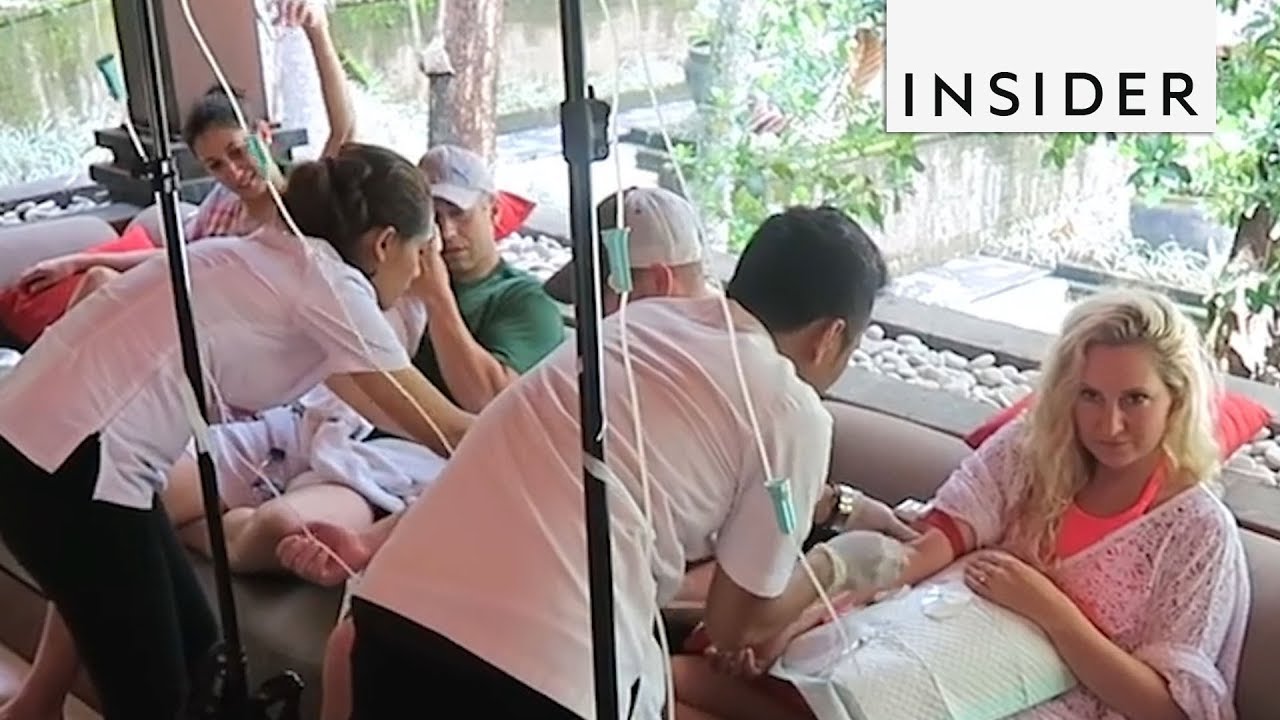
A typical energy drip takes 30 to 60 minutes. Outdoor mobile iv therapy or at home iv therapy is common, but it should still look medical: sterile technique, a proper iv catheter, labeled bags, and a clinician who can manage side effects. Most people feel the cool rush of fluids, a warm flush from magnesium, and sometimes a vitamin taste. Clumsy veins, small catheters, or rapid rates can cause discomfort. Slow and steady reduces that risk.
What happens next varies. Some notice an iv energy boost within an hour: clearer thinking, less eyelid drag. Others feel the lift the next morning. Subjective response tends to be strongest after the first one or two sessions, then more modest as the body’s baseline improves.
Matching the blend to the job
There is no one-size bag. The art of iv wellness therapy is choosing a formula that fits the day’s problem and the person’s history. For a dry marathoner, saline iv drip plus magnesium and B vitamins might be enough. For a postpartum parent with borderline B12 and iron, a higher B12 dose plus vitamin C supports energy while they correct diet and sleep; iron itself is not given intravenously without a formal diagnosis. For someone on a deadline running long days, brain boost iv therapy that prioritizes B complex, magnesium, and perhaps acetyl-L-carnitine can lift focus. When illness circulates at work, adding immunity drip components like vitamin C and zinc is reasonable, though not a shield against infection.
The Myers iv therapy has stuck around because it hits broad needs: hydration, B complex, vitamin C, magnesium. Clinics tweak doses for smaller frames or specific tolerances. With glutathione, the dose and timing matter. Some do best with a small 600 to 800 mg push right after the bag. Others tolerate 1,200 mg well. Pushing too fast can cause chest tightness or nausea. The provider should watch the patient, not the clock.
Where evidence stands, and where judgment steps in
The scientific literature on iv vitamin therapy for fatigue and wellness is mixed, and anyone selling certainty is not reading closely. For example, deficit states like clinical B12 deficiency or severe dehydration respond clearly to intravenous routes. In broader wellness contexts, randomized data are limited, sample sizes are small, and outcomes are often subjective. That does not invalidate the lived benefit many people report. It means we should pair enthusiasm with prudence. When fatigue is vague or persistent, rule out medical causes. When improvement follows iv nutrient therapy, keep doing the basics that make the effect last: consistent sleep, protein intake of roughly 1.2 to 1.6 g/kg for active adults, hydration, sunlight, and strength training.
From a safety lens, the risk profile is low in healthy adults when infusions are prepared correctly, ingredients are pharmaceutical grade, and screening is done. The most common iv therapy side effects are vein irritation, a transient metallic taste, chills if the fluid is cold, or mild lightheadedness if you stand up too fast. Rarely, allergic reactions occur. An experienced provider will have emergency supplies and training. Anyone with kidney disease, uncontrolled hypertension, or heart failure needs individualized evaluation before fluids or minerals. High dose vitamin C iv is avoided in people with G6PD deficiency and used cautiously in a history of kidney stones.
When an iv is the wrong move
A drip helps only when the problem matches the tool. If fatigue stems from unchecked sleep apnea, untreated thyroid disease, major depression, iron deficiency anemia, or overtraining syndrome, iv therapy benefits will be temporary or negligible. It can also mask a problem by providing a short-lived lift that delays necessary testing. Red flags that need medical workup first include rapid weight loss, night sweats, chest pain, shortness of breath, fainting, new palpitations, or neurological deficits. In those cases, a therapeutic iv infusion is not the next step.
Cost is another guardrail. Depending on geography and ingredients, iv therapy cost ranges widely, from modest community rates to boutique pricing. A straightforward hydration drip might be the least expensive option, while custom iv therapy with multiple additives and glutathione costs more. Packages exist, but I recommend trying one or two sessions before committing to iv therapy packages. The metric is function: Does your day improve measurably? Do you need less caffeine? Are workouts or work blocks better?
The fatigue menu, beyond energy
Clinics sometimes offer targeted iv therapy services that intersect with fatigue: migraine iv therapy for patients with dehydration-sensitive headaches, hangover iv therapy that combines iv hydration therapy, anti-nausea medication, and vitamins, or recovery drip options after long races. Some centers blend pain relief iv therapy for muscle spasm, or stress relief iv therapy with calming nutrients. Athletes use athletic recovery iv therapy to shorten downtime after events, though once again, hydration, calories, and sleep are the foundation. Adjacent offerings like detox iv therapy, beauty iv therapy for skin glow iv therapy, weight loss iv therapy, and anti aging iv therapy will appear on menus. A clear-eyed take is useful. Detox iv therapy is best framed as supporting the body’s existing pathways, not washing toxins away. Beauty-focused formulas with antioxidants and hydration can freshen skin temporarily, but collagen and elastin respond more to sun protection, protein, retinoids, and steady health habits.
There are legitimate use cases for immune boost iv therapy during heavy travel or early viral illness. Vitamin C iv therapy at standard wellness doses is safe for most, and zinc supports immune function. Claims of prevention are easy to overstate. Consider immunity iv therapy a nudge, not armor.
How to decide if you should try it
A simple decision tree works. If fatigue is new, severe, or accompanied by red flags, start with your primary care clinician. Get labs if appropriate: CBC, ferritin, B12, TSH, metabolic panel, vitamin D, and iron indices if there is a history of anemia or heavy periods. If fatigue is familiar and fits a pattern you recognize, then an iv wellness therapy session can be part of your response. The goal is not to replace good habits, it is to stabilize you while you reinforce them.
When choosing an iv therapy clinic, ask who mixes the bags and what pharmacy supplies the components. Look for a licensed medical provider on site. Review protocols for iv therapy safety, contraindications, and emergency prep. I prefer places that start conservative, explain dosing, and document each ingredient. For people who need convenience, mobile iv therapy, concierge iv therapy, or on demand iv therapy is available in many cities. Home visits should maintain the same standards as a clinic.
What results look like in real life
Clients who come in for fatigue iv therapy usually describe a few predictable wins. The first is more stable energy late in the day. Not jittery or wired, just even. The second is improved mental clarity, less mid-sentence searching for words. The third is smoother muscle recovery after workouts. Sleep can improve in the short term, especially when magnesium is included, though too much late in the day makes some people groggy. For those with hangover symptoms, a hangover iv drip often shortens the misery by rehydrating, easing nausea, and replenishing vitamins. With migraines, iv migraine treatment helps only certain subtypes. Dehydration and stress-triggered episodes respond better than complex migraines with aura. That is why good clinics screen and refer as needed.
The duration of benefit is individual. Many report one to three days of noticeable improvement after a single energy drip, with a softer tail over a week. With regular sessions during heavy schedule periods, gains feel more consistent. My preference is a taper: weekly for two or three weeks, then spread to every two to four weeks, always anchored by sleep and nutrition changes. At some point, if you feel the same with or without a drip, that is your cue to pause.
Ingredients most often used for energy, and how they behave
B complex vitamins act along multiple steps of energy metabolism, from glycolysis to the electron transport chain. B12 supports methylation and red blood cell formation. If you are mildly deficient or a vegetarian with low intake, you will feel the difference. If your B12 is robust, more is not better, it is simply excreted. Magnesium helps convert food to ATP and regulates muscle contraction. People under stress often run low, whether from intake or loss in sweat. Vitamin C contributes to catecholamine synthesis and protects against oxidative stress. Zinc participates in hundreds of enzymatic reactions and immune function. Glutathione, given after the main infusion, supports redox balance and can brighten cognition in those with high oxidative demand. None of these replace calories, iron, or sleep. They help the machinery run well while you secure fuel and rest.
The role of personalization
Two people can look equally tired and need different plans. Personalized iv therapy should account for body size, comorbidities, and tolerance. Someone with low blood pressure may want smaller volume but more concentrated nutrients. A person with a history of kidney stones will use modest vitamin C. A small-framed patient may need slower rates to avoid chills. People on certain medications, from diuretics to stimulants, may need dosing adjusted. A good clinician will ask about your week, your training, your travel, and your diet, then shape the bag to fit you. Custom iv therapy is not just a marketing term when it is done with clinical reasoning.
Where an infusion fits in the bigger plan
I tell patients to view iv therapy treatment as an accelerator, not a steering wheel. The steering wheel is habits and medical care. If you travel, front-load hydration, bring electrolytes, walk outdoors on arrival, and protect sleep the first night. If you train hard, periodize intensity and get 20 to 30 grams of protein within one hour after workouts. If you work long hours, anchor your day with a real lunch and sunlight. If alcohol is in the mix, set limits and hydrate. Then, when a crunch week hits, use an iv vitamin therapy as a rapid tune-up. Pair it with a nap or an early bedtime and a light training day. The next morning will tell you more about how your body responds than any sales pitch.
A note on other use cases you will see advertised
Many iv therapy services advertise benefits beyond fatigue, including iv therapy for immunity, iv Get more info therapy for hydration, iv therapy for recovery, and iv therapy for wellness. There are niche offerings like nausea iv therapy for travelers, dehydration iv therapy after illness, and metabolism iv therapy marketed for weight loss iv therapy. The honest view is that weight loss depends on diet, movement, sleep, and stress management. An iv can support energy and curb cravings indirectly by making you feel better, but it does not burn fat. Skin-focused infusions may enhance glow for a few days due to hydration and antioxidants. Anti aging claims should be tempered. That said, feeling better often begets better choices, which is where iv wellness therapy can justify its place.
Safety, frequency, and cost reality
Safety first. Choose a clinic that uses cleared devices, checks vitals, and screens you. Ask how often they recommend infusions. For most healthy adults, spacing sessions every two to four weeks is reasonable during high-demand seasons. More frequent visits can be appropriate for specific scenarios like post-viral fatigue or heavy training blocks, but only with a plan and endpoints. Hydration status matters. If you are not volume depleted and you receive a large bag quickly, you may feel fluid overloaded and sluggish. Rate and volume should match your body.
Cost varies by market. A basic vitamin drip therapy ranges in the low hundreds. Add-ons like glutathione, carnitine, or higher vitamin doses add cost. Packages create savings, but they also incentivize frequency. Track your outcomes. If you cannot connect the drip to better work blocks, training sessions, or sleep within 24 to 72 hours, reconsider the plan. Quick iv therapy and express iv therapy appointments exist for busy schedules, but speed should not replace safety.
Two quick checklists you can use
- Pre-infusion readiness: eat a protein-rich snack, hydrate normally, bring a list of medications and allergies, wear warm layers, and plan 60 minutes without meetings. Post-infusion plan: sip water steadily, avoid heavy alcohol that day, keep training light, get to bed on time, and note energy, focus, and mood over the next 48 hours.
Final perspective from the chairside
Across hundreds of appointments, the most common feedback after energy iv therapy is simple: I could finish my day. Not an earthquake, just a notable lift. The patient who flew in from a three-city week and knocked out emails without staring through the screen. The teacher who handled evening prep without snapping. The runner who finally slept deeply. These are modest, practical wins. Intravenous vitamin therapy is a tool that can help you claim them, provided it is paired with the quiet, unglamorous work that builds true stamina.
If you are considering an infusion, start with clarity. Know what fatigue feels like in your body and what has helped before. Bring that knowledge to a provider who listens and thinks. Choose a tailored nutrient infusion therapy that suits your physiology, not a random menu pick. Use it as part of integrative iv therapy, where medical care, habits, and selective support overlap. Done that way, an iv vitamin therapy can be the difference between limping to dinner and feeling present until the lights go out.